
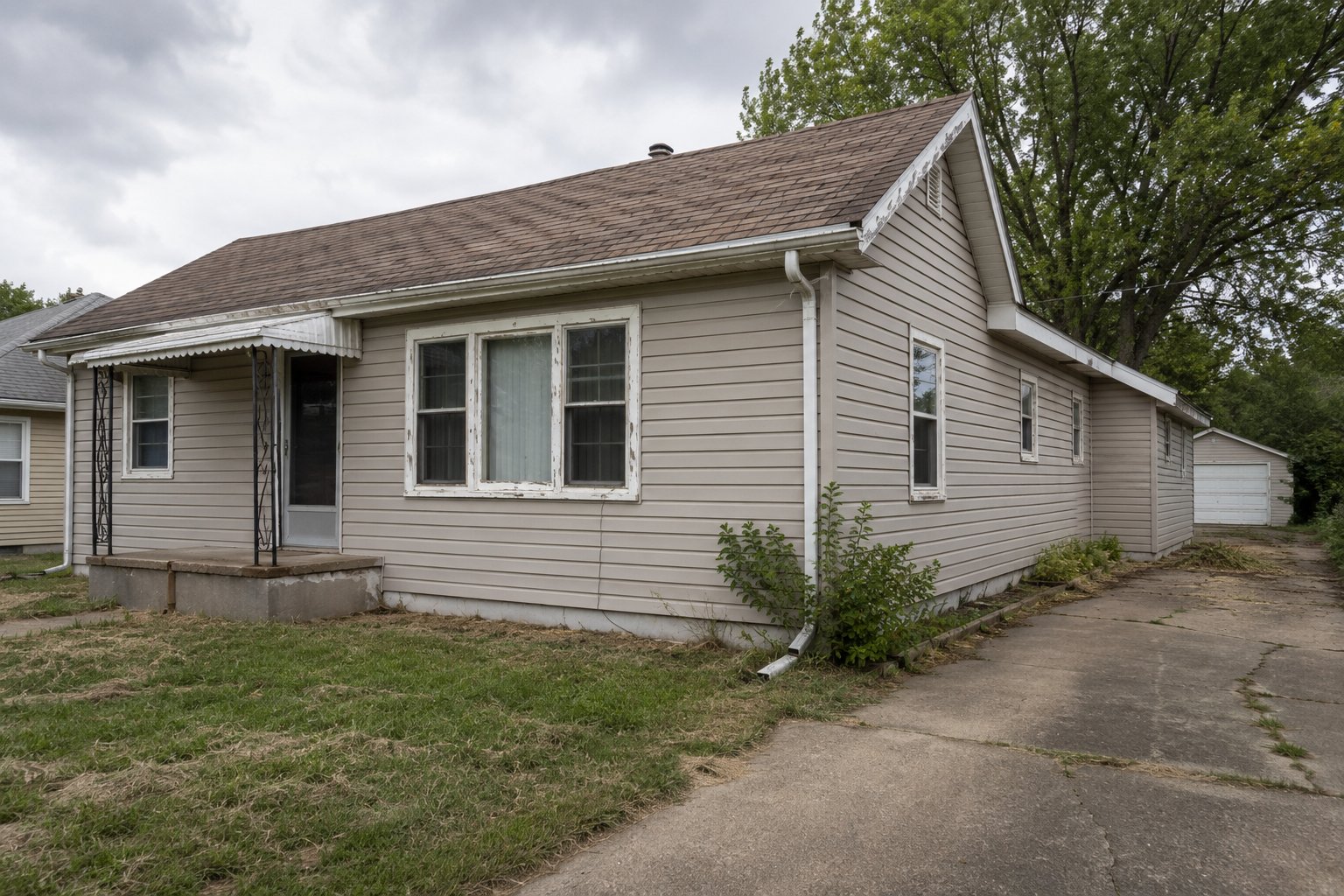
After-repair value, or ARV, is an estimate of what the property could sell for after an assumed renovation. It is not the home’s current value and is not guaranteed; it depends on repair scope, finish quality, comparable sales, and future market conditions.
What Springfield homeowners should know
Investors often start with ARV and subtract repairs, transaction expenses, holding costs, financing costs, risk, and profit to estimate a purchase price. If the ARV is too optimistic or the repair estimate is too low, the project can fail.
Ask which comparable sales and renovation assumptions support the figure. Your decision should still be based on the written amount and terms offered to you, not the buyer’s projected resale price.
Practical checklist
- Review comparable renovated sales
- Separate current value from ARV
- Understand the repair scope
- Ignore unsupported future promises
- Focus on your actual contract net
How to make the decision
Compare net proceeds rather than headline prices. Include repairs, cleanup, commissions, seller-paid closing expenses, carrying costs, concessions, and the risk that a financed buyer does not close.
A direct cash sale is one option—not the only option. You can request a written offer, compare it with a realistic agent net or another buyer’s terms, and decline if it does not fit. The property address, condition, ownership, title, occupancy, and deadline all matter.
Want an as-is offer for the actual property?
Call William at 417-742-8911 or use the property form below. Asking does not obligate you to sell.